From Theory to the Field: Practical AI in Safety

9:00AM - 10:00AM

Location
Sinclair Conference Center
Speakers
  • Collin Jorgensen, GSP - Health & Safety Risk Engineering Consultant, Zurich Resilience Solutions
    Collin Jorgensen is a Health & Safety Risk Engineering consultant with broad industry experience who helps customers reduce losses and hazards by providing risk assessment services to customers and business partners. Collin supports customers in the identification of exposures with significant loss potential, investigation of cause and effect of major losses, as well as identifying risk reduction opportunities. Collin takes a systematic approach to process improvements to drive sustainable risk reduction.
Summary
This session teaches practical, field-ready AI applications for workplace safety, including computer vision, wearables, drones, fleet tools, documentation support, and responsible prompting. Relevant to construction, manufacturing, energy, logistics, transportation, and safety-critical operations. Designed for safety professionals, risk engineers, operations leaders, and managers with basic EHS knowledge; no AI expertise required.

Finding Facts Not Fault: Building a Safety Culture

9:00AM - 10:00AM

Location
Sinclair Conference Center
Speakers
  • Nicholas Coia - COO, Coia Safety & Consultative Services, LLC
    Nicholas Coia is the Chief Operating Officer of Coia Safety & Consultative Services LLC (CS2 Safety), where he helps organizations improve safety performance through practical, culture-driven solutions. With more than 20 years of experience in occupational safety and health, including over a decade in consulting, Nic specializes in OSHA compliance, risk reduction, and safety leadership. He also serves as adjunct faculty with the University of Akron College of Engineering and Polymer Science and is a frequent speaker at safety conferences and industry events. Known for his engaging, real-world approach, Nic helps organizations move beyond compliance to build safer, stronger workplaces.
Summary
Most organizations unintentionally stop their reviews at the most convenient answer: “Who messed up?” That mindset not only misses critical information, it also reinforces fear, blame, and repeat incidents. This breakout session reframes incident understanding as a strategic, culture-building opportunity. Using Nic’s proven “Finding Facts, Not Fault” methodology, participants learn how to examine all five causal factors; Human, Management, Task, Material, and Environment, to uncover the real drivers behind workplace events. Attendees will leave with practical tools, templates, and a repeatable process for identifying facts that actually improve safety performance. Nic’s engaging teaching style blends storytelling, relatable mistakes, and real case studies that demonstrate how shifting from blame to fact-finding transforms teams, strengthens accountability, and reduces long-term risk. This session is designed for front-line leaders, supervisors, safety professionals, and executives who want a more mature, data-driven approach to incident learning. What Makes This Session Different Instead of focusing on “human error” as the default explanation, Nic shows how task design, training gaps, management decisions, equipment conditions, and environmental influences shape outcomes. This approach builds psychological safety, encourages honest reporting, and leads to smarter corrective actions, without minimizing responsibility. Key Takeaways ✔ Learn to assess all five causal factors for deeper, more accurate insights ✔ Understand why “human error” is rarely the true cause ✔ See how fact-focused reviews reduce repeat failures ✔ Strengthen accountability without blame ✔ Apply practical tools and strategies for meaningful corrective action ✔ Build a culture of trust, transparency, and continuous improvement

Why We Miss the Hazards That Hurt Us - And Strategies to Find Them

10:30AM - 11:30AM

Location
Sinclair Conference Center
Speakers
  • Doug Pontsler - Chairman and Managing Director, COVE: Center of Visual Expertise
    Doug Pontsler is dedicated to the application of visual literacy for industrial and service applications with an emphasis on safety. Prior to his current role, Doug was the former vice president of operations sustainability and EHS for Owens Corning (retired). He joined Owens Corning in 2002 and help leadership positions including director of corporate services and vice president of global sourcing. Doug served as a member of the National Safety Council (NSC) Board of Directors and the Chairman of the Campbell Institute at the National Safety Council. He is a recipient of the NSC's 2019 Distinguished Service to Safety Award. He is also a recipient of the International Visual Literacy Association 2023 Special Contribution Award.
Summary
A recent study identified that approximately 25% of incidents had the failure to “see” as a contributing factor. Experienced employees can operate on auto-pilot, often repeating the same tasks day in and day out. As a result, they can miss hazards – both minor and major. For many organizations hazard identification efforts suffer from unintentional “blindness” that can lead to a failure to see hazards. Recognizing a hazard is only part of the challenge. Employees must also be able to describe what they observe clearly and objectively so that risks are properly understood, prioritized, and addressed in a timely manner. This session explores how Visual Literacy can strengthen hazard identification and risk management. Participants will learn practical strategies for observing workplace conditions more intentionally, recognizing information that might otherwise be missed, and communicating hazards through a shared visual language that supports effective corrective action. Learning Objectives: • Apply Visual Literacy principles to prioritize risks and support effective mitigation. • Identify strategies for uncovering overlooked information and potential hazards. • Use a common visual language to describe and communicate field-level hazards and risks accurately.

Compliant or Committed? Why Your Safety Program Works When You're Watching and Fails When You're Not

10:30AM - 11:30AM

Location
Sinclair Conference Center
Speakers
  • Kathy Moore - Founder, Total Potential Coaching LLC
    Kathy Moore spent nearly 20 years in manufacturing HR and talent development — on the plant floor, through production pressure, and through plant closures, before founding Total Potential Coaching LLC, where she helps manufacturing, operations, and logistics leaders make the shift from boss to confident guide. A Certified Professional Coach (CPC), Energy Leadership Index Master Practitioner (ELI-MP), and ICF-credentialed coach (ACC), she is the author of Conscious Connection: A Guide to Leading With Awareness and Impact (2025). Kathy speaks to safety, HR, and operations audiences on the leadership behaviors that turn compliance into commitment.
Summary
Every safety program looks great during the audit. The real test is off shift, under a production deadline, when no one is watching, the moment a worker either speaks up about the near-miss or stays quiet. The difference isn't the policy. It's the leader. This interactive session reframes safety culture as a leadership behavior problem, not a compliance problem. Drawing on nearly two decades on the manufacturing floor, Kathy Moore shows why supervisors under pressure default to predictable patterns that quietly shut down the reporting and speak-up behavior every strong safety culture depends on. Attendees leave with the shift from 'boss' (compliance, fear, checkbox) to 'confident guide' (ownership, trust, commitment) and a practical tool to interrupt their own reactive patterns in the moment that matters.

Beyond the Fence Line: Strengthening Safety in Parking Lots, Construction Sites, and Other High-Risk Open Spaces

10:30AM - 11:30AM

Speakers
  • Jabari Peoples - CEO & Founder, Overwatch Secure LLC
    Jabari Peoples, call sign “Overwatch,” is the CEO and Founder of Overwatch Secure LLC and a U.S. Marine Corps and Army veteran with deep expertise in leadership, executive protection, and physical security. A specialist in threat assessment, workplace violence prevention, and de-escalation, he helps organizations build safety cultures rooted in trust and accountability. Jabari presented “Situational Awareness for Leaders” at the 2026 Ohio Safety Congress & Expo and has appeared on international security panels alongside leading professionals. His Four Pillars framework equips leaders to turn awareness into decisive action.
Summary
Safety risk does not begin only at workstation, production line, or job task. It can emerge in the spaces between them: parking lots, construction areas, loading docks, warehouse yards, entry points, and other open environments where people, vehicles, equipment, and visitors converge. These areas can create opportunities for unsafe behavior, theft, trespass, conflict, and workplace-violence concerns—often before they appear in a routine safety inspection. This practical session brings a physical-security and threat-assessment perspective to the Dayton/Miami Valley Safety Conference audience. Participants will learn to view outdoor and transitional workspaces through two lenses: the safety professional asking, “What could cause harm?” and the threat actor asking, “Where is the opportunity?” Through realistic scenarios and field-tested observation methods, the session will show how small environmental conditions, behavioral indicators, and gaps in routine practices can combine into larger safety and security exposures. Attendees will leave with a usable framework for recognizing vulnerabilities, improving reporting and awareness, and implementing layered, low-disruption safeguards that fit real operations. The emphasis is not on adding unnecessary barriers or slowing production; it is on helping organizations use better information to move from reacting to incidents toward preventing them. By the end of this session, participants will be able to: 1. Identify safety and security vulnerabilities in parking lots, construction zones, warehouse yards, loading areas, and other open or transitional workspaces. 2. Recognize environmental and behavioral indicators that may signal elevated risk, including conditions that enable trespass, theft, conflict, unsafe conduct, or potential workplace violence. 3. Apply a practical, layered approach to improve awareness, reporting, access practices, and physical safeguards without unnecessarily interrupting workflow or productivity.

Learning From History for a Successful Future – How NASA Applies Hard Lessons for Continuous Improvement

Luncheon Keynote

Location
Sinclair Conference Center Great Hall
Summary
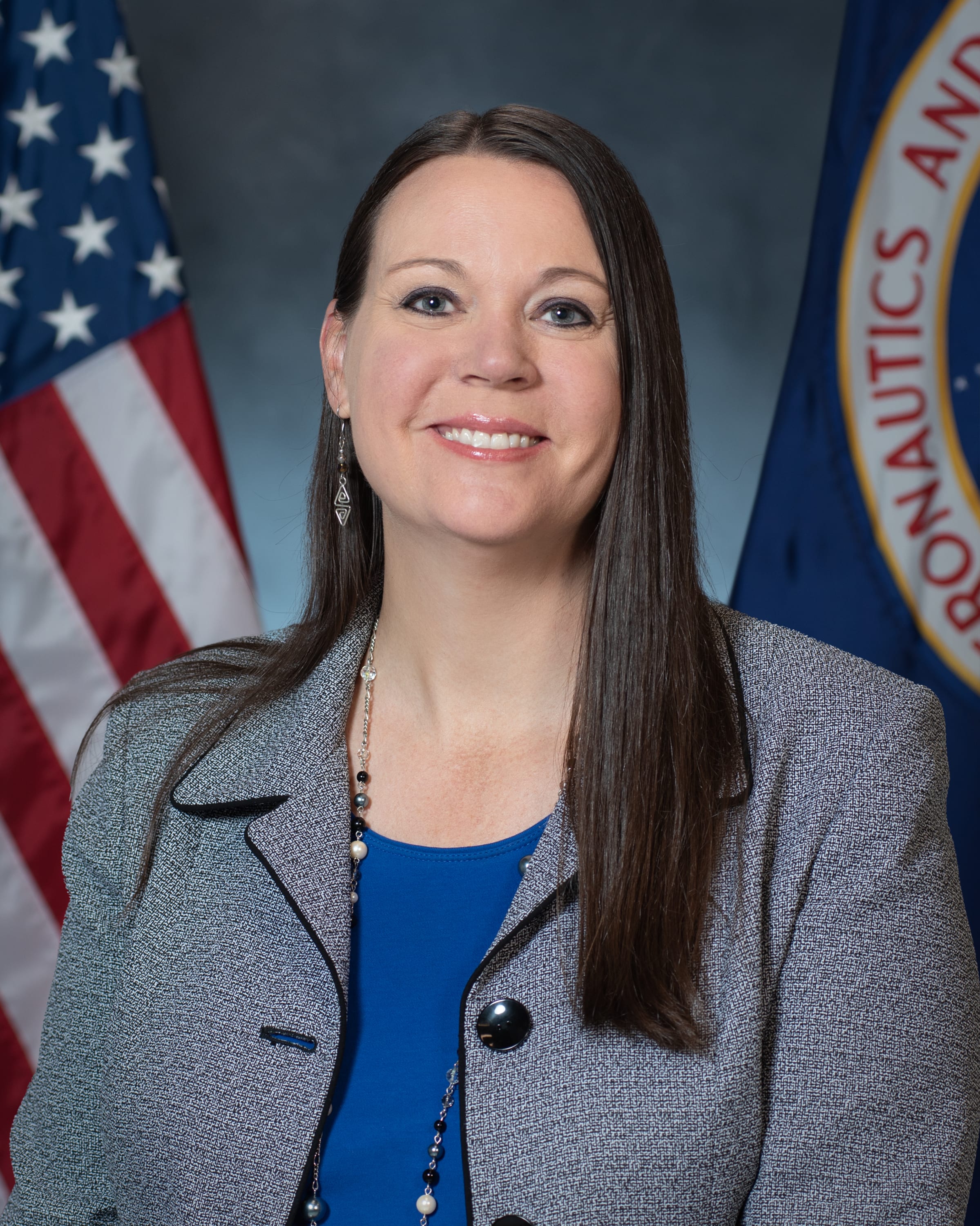
Myers’ keynote will address NASA’s most significant human spaceflight accidents—Apollo 1, Challenger, and Columbia—and the ways they have shaped the way the Agency thinks about safety, leadership, and organizational culture. She’ll walk through the warning signs that preceded each accident, what the investigations uncovered and the recurring themes that emerged across all three events. These tragedies were defining moments for NASA. They pushed the Agency to take a hard look at communication, decision making and risk management. More importantly, they led to lasting changes in how we build a strong safety culture and strive for organizational excellence. Today, the Safety and Mission Assurance community plays a key role in making sure those lessons stay front and center, working to create an environment where concerns are heard, accountability is clear, and continuous improvement is part of NASA’s DNA. Myers will share how NASA’s past has helped build a safer, smarter future as well as what other organizations can learn from the journey.

From Awareness to Action - Mental Health Tools for the Safety-Minded Professional

1:30PM - 2:30PM

Location
Sinclair Conference Center
Speakers
  • Becky Ketron - Senior Program Coordinator, Division of Community Training and Staff Development Montgomery County Alcohol, Drug Addiction, and Mental Health Services
    Becky Ketron is a Senior Program Coordinator in the Community Training & Staff Development Division of the Alcohol, Drug Addiction & Mental Health Services Board of Montgomery County. After earning her Bachelors Degree from Otterbein University, she went on to work in a variety of youth development programs from Assistant Director of the Troy Rec, to Out-of-School-Time Coordinator for Child Care Works. For 12 years she was the Training Specialist at Developmental Disabilities where she discovered a love of all things training and professional development. She earned her certification as a Senior Professional in Human Resources and also holds both a Training and Instructional Design certification from the Association for Talent Development. Becky has over 20 years of experience designing and facilitating adult learning in several human-serving fields, including early childhood, developmental disabilities, child welfare, and behavioral health. In addition to being a skilled facilitator and instructional designer, she is also certified as an instructor in • Mental Health First Aid (Modules: Youth, Adult, Older Adult, Higher Education, Public Safety, Corrections, Veterans) • Trauma-Informed Approach • Trauma Informed Criminal Justice System Responses • enCompass; Navigating Addiction & Recovery • Responding to Addiction • Social Resilience Model • QPR Gatekeeper • Stewards of Children • PAX Tools
Summary
This session will provide an accurate overview of mental illness, including the signs and symptoms of the most common disorders. With this base knowledge, we will then review the Five Essentials for Workplace Mental Health and Wellbeing, focusing on some of the actionable steps workplaces can take to address and support mental wellbeing. These include; how to prioritize workplace physical and psychological safety, normalize and support mental health, creating cultures of inclusion and belonging, and supporting work-life harmony.

Administering Workers’ Compensation as an Employee Benefit

1:30PM - 2:30PM

Location
Sinclair Conference Center
Speakers
  • Bruce Preston - Senior Account Consultant, Sedgwick
    Bruce has almost 30 years of experience consulting with employers on their Workers’ Compensation programs. He has worked with public and private employers of various sizes and has experience with State Fund and Self Insured programs.
  • Sol Otero Carbajal - Human Resources Business Partner I, City of Hamilton
    Sol Otero Carbajal, SHRM-CP, serves as a Human Resources professional with the City of Hamilton, specializing in employee benefits, leave administration, and workers' compensation. She is committed to creating clear, effective HR processes that support both employees and the organization.
Summary
Do you view your employees as assets or liabilities? This session explores approaching the administration of your Workers’ Compensation program similarly to the way you approach the administration of other employee benefits. Proper use results in lower costs and less confusion. Sol and Bruce will share real world experiences as they explore best practices for injury reporting, claims management and safety interventions.
Powered By GrowthZone